

Lawn Pest Control Wesley Chapel — Real Diagnosis, Not a Guessing Game
Chinch bugs, sod webworms, and mole crickets move fast in Florida’s heat. We find the actual pest before we treat anything — so you’re not paying to spray for the wrong problem.
★★★★★ 5-Star Rated
Locally Owned
HOA-Compliant Scheduling
Free, No-Pressure Quotes
Serving Wesley Chapel Since 2020
Wesley Chapel’s warm, humid climate is exactly what turf pests thrive in — and by the time most homeowners notice a problem, the damage is already spreading. A patch of brown, dying St. Augustine grass could be drought stress, disease, or an active insect infestation, and treating the wrong cause wastes time while the real pest keeps eating.
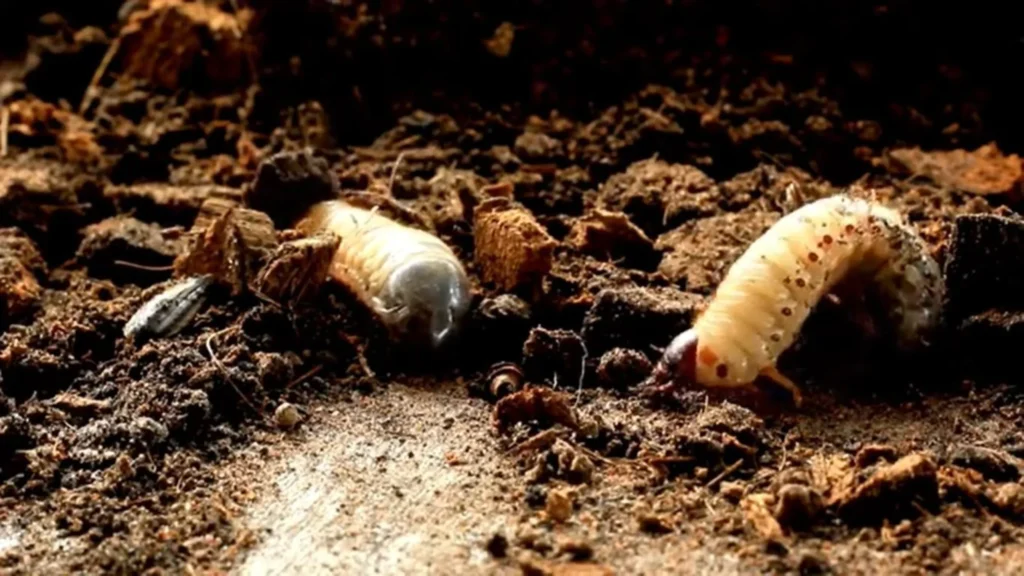
We inspect before we treat. Every visit starts with pulling back the thatch, checking soil moisture, and confirming exactly what’s damaging your lawn — chinch bugs, sod webworms, armyworms, mole crickets, or white grubs — before a single product goes down. That’s the difference between real lawn pest control Wesley Chapel homeowners can trust and a subscription-box spray truck.
We’re Not a Subscription Spray Truck
Franchise pest programs run on a fixed calendar — same four treatments a year, whether your lawn needs them or not. That’s not how good lawn pest control Wesley Chapel should work. We inspect first, then treat what’s actually there. If nothing’s active, we tell you that instead of spraying anyway.
Who We Help
- Homeowners with brown, thinning, or dying patches they can’t identify
- New-construction homes with builder-grade sod already under stress
- HOA residents worried about violation notices from pest damage
- Anyone who’s had a “treat everything on a schedule” company and wants an actual diagnosis instead
Why Lawn Pests Are So Aggressive in Wesley Chapel
Pasco County’s combination of heat, humidity, and irrigation-fed St. Augustine and Zoysia lawns creates near-perfect breeding conditions for turf pests almost year-round:
- Chinch bugs thrive in the driest, sunniest parts of St. Augustine (Floratam) lawns, especially near driveways and sidewalks where reflected heat raises soil temperature
- Sod webworms and armyworms feed at night, which is why damage often looks like it appeared overnight — by the time it’s visible, larvae have usually been feeding for days
- Mole crickets tunnel through the root zone, loosening turf so it lifts up like a loose carpet when you walk on it
- White grubs feed underground on grass roots, causing turf to peel back in patches with almost no resistance
- Newer neighborhoods built on reclaimed and previously wooded land can carry heavier native mole cricket and grub pressure from undeveloped soil nearby
This is exactly why Wesley Chapel lawn pest control services need to start with an inspection, not a calendar — the pest pressure here is driven by specific local conditions, not a generic seasonal schedule.
Our Pest Control Process
- Inspect
Soil sample, thatch check, and visual damage pattern to identify the actual pest, not a guess.
2. Identify
Confirm species — chinch bug vs. webworm vs. grub vs. mole cricket — since each requires a different treatment approach.
3. Treat
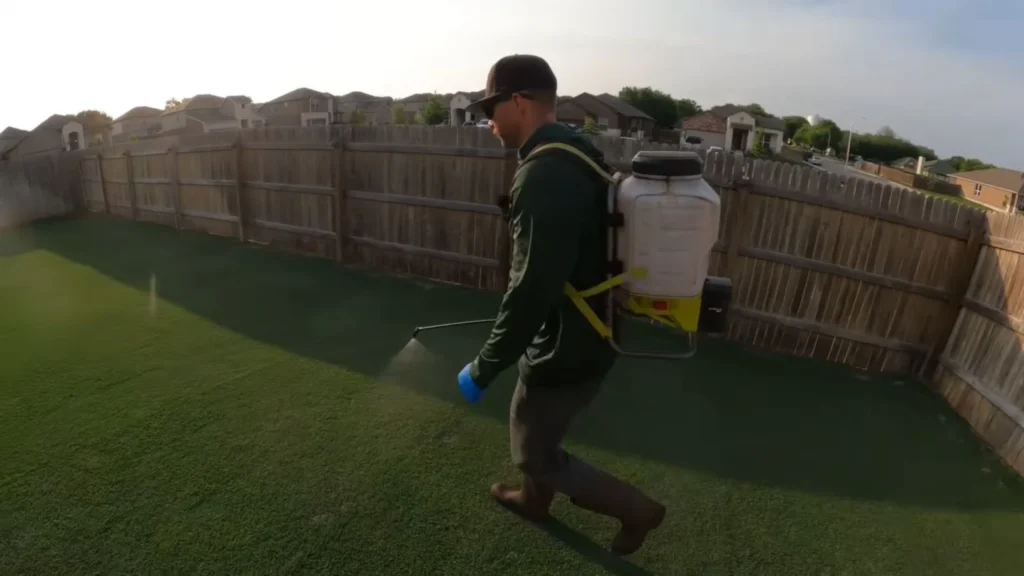
Targeted application matched to the confirmed pest and turf type — not a blanket spray.
4. Follow Up
Re-check the treated area on the next visit to confirm the infestation is actually resolved, not just knocked back temporarily.
If It Comes Back, We Come Back — Free
If the pest we treated returns in the same area within the guarantee window, we return and re-treat it at no charge. No new service call, no upcharge. It’s part of what makes our Wesley Chapel lawn pest control services different — we stand behind the diagnosis, not just the spray.
Results in Wesley Chapel
Chinch Bugs Mistaken for Drought Stress
A Wesley Chapel homeowner had been running their irrigation longer every week, assuming a spreading yellow-brown patch near the driveway was drought damage. Our inspection found an active chinch bug colony concentrated in exactly the hot, dry strip where reflected heat off the concrete had raised soil temperature. Extra watering had done nothing — and mildly encouraged the infestation, since chinch bugs still tolerate moist thatch. Targeted treatment stopped the spread within the visit; the lawn recovered fully within the next growing cycle.
Overnight Sod Webworm Damage Before an HOA Deadline
A Wesley Chapel resident noticed thinning grass that looked dramatically worse every morning, with an HOA compliance letter already on file. Nighttime inspection-style thatch checks confirmed active sod webworm larvae feeding after dark, which explained why the damage seemed to appear overnight. Because we could point to a specific, documented pest issue rather than general neglect, the homeowner had something concrete to show their HOA while treatment took effect.
Mole Crickets in a Newer, Reclaimed-Land Lawn
A newer Wesley Chapel home, built near previously undeveloped land, had turf that felt spongy and lifted underfoot in a widening section of the backyard. That combination, loose turf plus recent construction near native soil, is a classic mole cricket signature, not a watering or mowing issue. Root-zone tunneling was confirmed on inspection and treated directly, and the turf regained its normal density and firmness over the following weeks.
Lawn Pest Control FAQs
We’re happy to help. If you can’t find what you’re looking for, give us a call or send us a message.
📞 (656)246-3111How do I know if my lawn has pests or just drought stress?
Pest damage usually shows an irregular pattern — a spreading patch, a section that lifts or feels spongy, or thinning that gets worse fast. Drought stress tends to appear more evenly across sun-exposed areas. The only reliable way to tell is a physical inspection — pulling back thatch and checking the root zone — which is why we never treat before confirming what we’re looking at.
What’s the most common lawn pest in Wesley Chapel?
Chinch bugs are the most common issue in St. Augustine (Floratam) lawns locally, especially in hot, dry strips near driveways and sidewalks. Sod webworms, armyworms, and mole crickets are also frequent, particularly in newer neighborhoods built near previously undeveloped land.
Can lawn pests come back after treatment?
Yes, especially if conditions that attracted them in the first place — over-irrigation, heavy thatch, or nearby untreated turf — haven’t changed. That’s why we guarantee our treatments: if the same pest returns in the treated area within the guarantee window, we come back and re-treat at no charge.
Will my HOA fine me for pest-damaged grass?
Many Wesley Chapel HOAs do issue notices for visibly dead or thinning turf regardless of the cause. A documented pest diagnosis and treatment plan gives homeowners something concrete to reference if a compliance letter shows up.
Do you treat the whole lawn or just the damaged area?
We treat based on what the inspection actually finds. Some pests (like chinch bugs) stay concentrated in a specific zone; others (like sod webworms) can be actively spreading across a wider area. We treat what’s confirmed active, not the entire yard by default. It’s the core principle behind our Wesley Chapel lawn pest control services — targeted treatment over blanket spraying.
How do I know if my lawn has pests or just drought stress?
Pest damage usually shows an irregular pattern — a spreading patch, a section that lifts or feels spongy, or thinning that gets worse fast. Drought stress tends to appear more evenly across sun-exposed areas. The only reliable way to tell is a physical inspection — pulling back thatch and checking the root zone — which is why we never treat before confirming what we’re looking at.
What’s the most common lawn pest in Wesley Chapel?
Chinch bugs are the most common issue in St. Augustine (Floratam) lawns locally, especially in hot, dry strips near driveways and sidewalks. Sod webworms, armyworms, and mole crickets are also frequent, particularly in newer neighborhoods built near previously undeveloped land.
Can lawn pests come back after treatment?
Yes, especially if conditions that attracted them in the first place — over-irrigation, heavy thatch, or nearby untreated turf — haven’t changed. That’s why we guarantee our treatments: if the same pest returns in the treated area within the guarantee window, we come back and re-treat at no charge.
Will my HOA fine me for pest-damaged grass?
Many Wesley Chapel HOAs do issue notices for visibly dead or thinning turf regardless of the cause. A documented pest diagnosis and treatment plan gives homeowners something concrete to reference if a compliance letter shows up.
Do you treat the whole lawn or just the damaged area?
We treat based on what the inspection actually finds. Some pests (like chinch bugs) stay concentrated in a specific zone; others (like sod webworms) can be actively spreading across a wider area. We treat what’s confirmed active, not the entire yard by default. It’s the core principle behind our Wesley Chapel lawn pest control services — targeted treatment over blanket spraying.
Related Services
- Lawn Mowing & Maintenance — consistent mowing height reduces the conditions pests prefer
- Irrigation & Watering Restriction Compliance Wesley Chapel — for homeowners managing both pest damage and compliance deadlines
Don’t Guess What’s Killing Your Lawn — Find Out
A patch of brown, dying grass could be drought stress, disease, or an active pest infestation. We inspect first, treat what’s actually there, and guarantee it.
✓ Real inspection before any treatment ✓ Targeted, pest-specific treatment ✓ Guarantee: if it comes back, we come back free ✓ Same crew, every visit
About Us
Lawn Sentinel Wesley Chapel is a local, Wesley Chapel-only lawn care team specializing in weekly mowing, HOA-ready maintenance, and watering-restriction-safe lawn treatment. We live in this climate too — sandy soil, hurricane season, and one-day-a-week watering aren’t theoretical to us. Our mission is simple: reliable service, real results, and lawns that stay healthy through Florida’s toughest seasons.
Areas We Serve
Proudly Serving Wesley Chapel, FL